The Timeless Appeal of Stucco: Adding Charm and Durability to Your Home
The character of a home comes through in the way its exterior catches light, frames windows, and brings materials together. Stucco gives those details a setting that can feel understated, textured, or distinctly expressive. Its appeal comes from the relationship between the finished surface and the architecture around it. A carefully chosen finish can contribute to a home's character for years.
That visual appeal is supported by practical considerations, including the type of system and the condition of the wall beneath it. Professional installation by a stucco company connects the desired appearance with the preparation needed for lasting performance. Understanding those connections helps homeowners see stucco as both a design choice and a durable exterior finish.
A Classic Material With Contemporary Possibilities
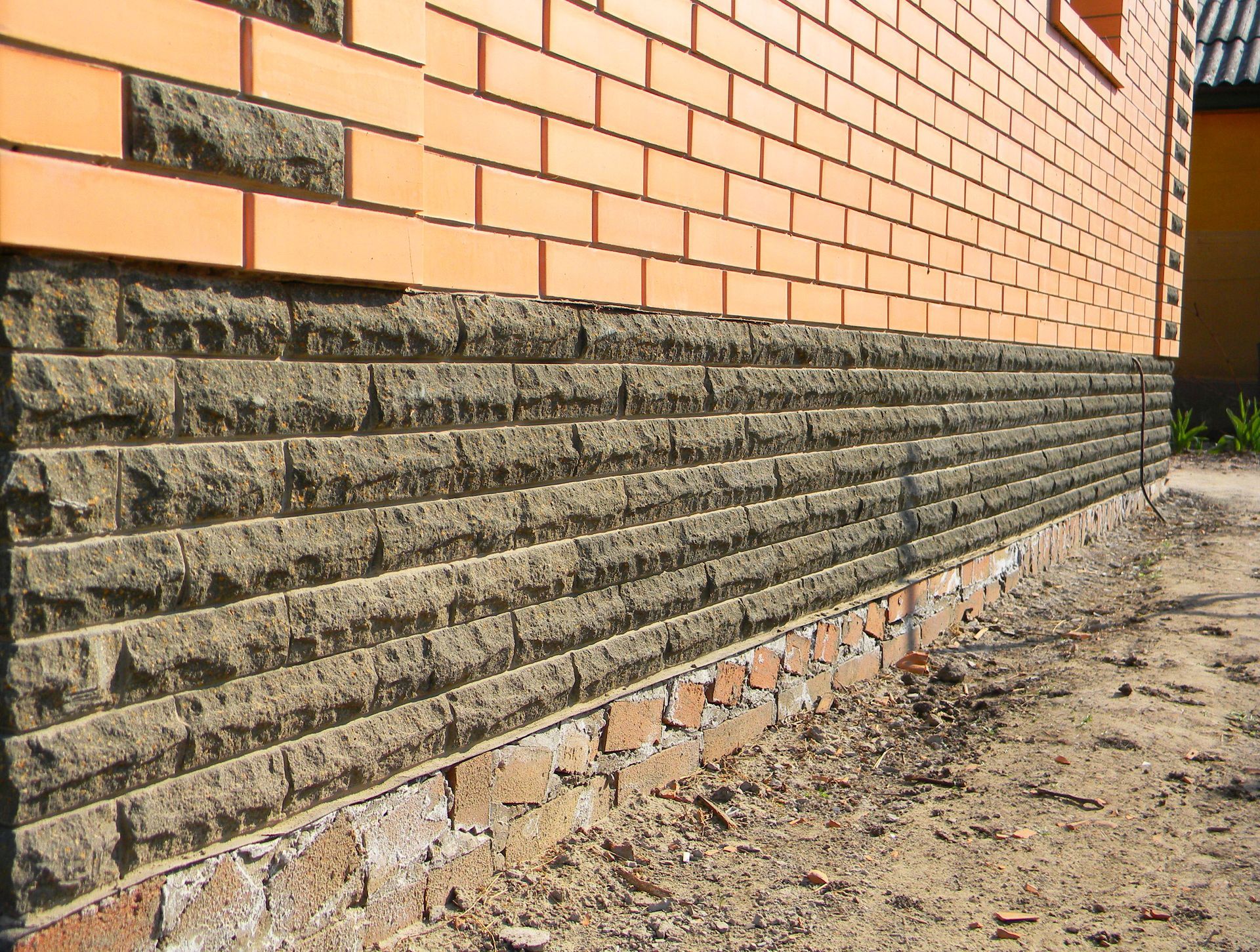
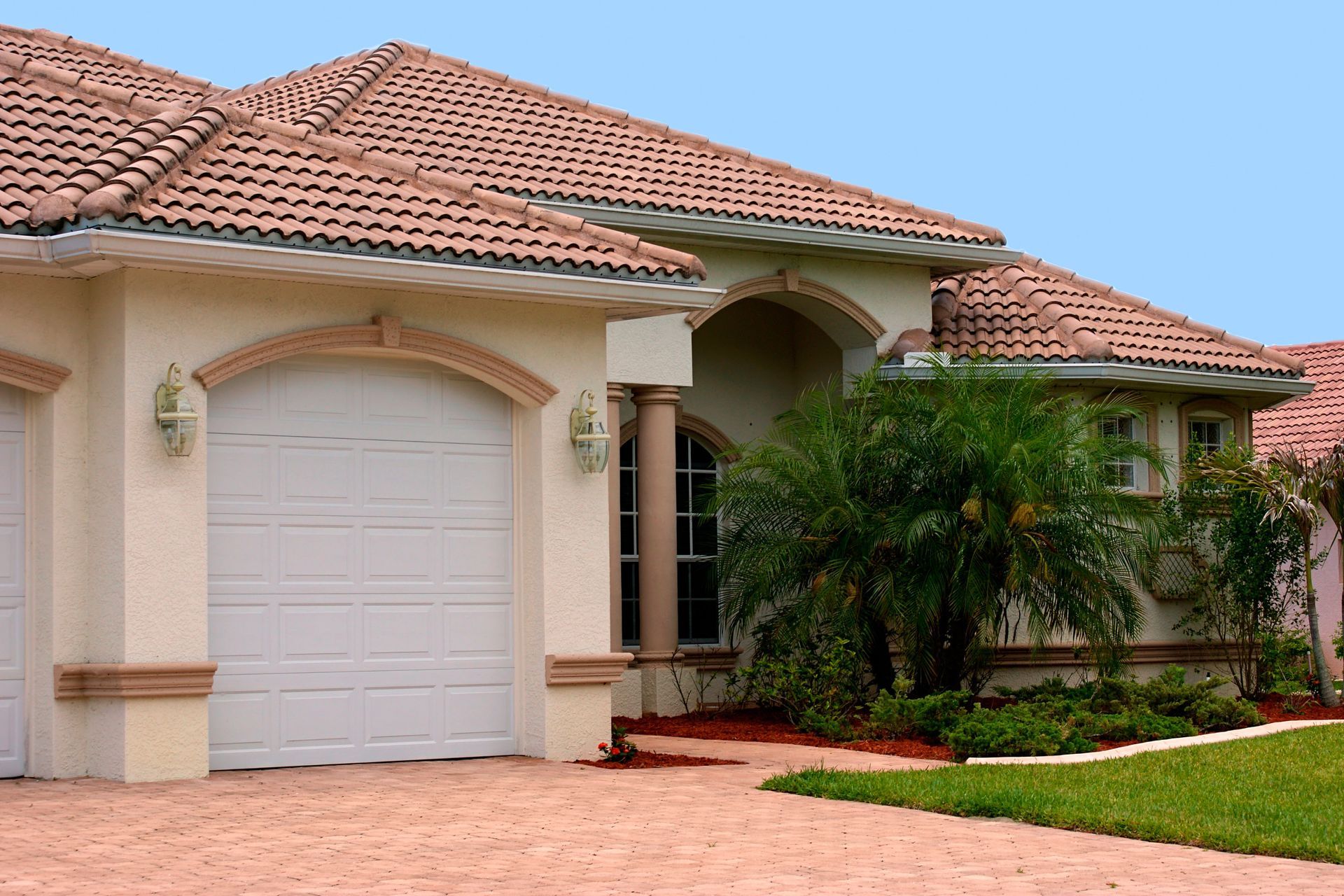
Traditional stucco has been used in construction for centuries, giving it an established place in residential architecture. Its cement-based surface has an earthy character that works comfortably with Mediterranean-inspired homes and other traditional designs. The appeal is partly in its ability to give broad wall areas a cohesive appearance. Windows, doors, and rooflines remain visible features within that unified setting. This continuity can be especially appealing on homes where several elevations need to feel connected despite different window arrangements.
The same material can also suit a contemporary home when the finish is smoother and the color more restrained. A simple surface allows the building's proportions and openings to carry much of the visual interest. A heavier trowel pattern creates a different impression, bringing more emphasis to the wall itself. Because stucco accommodates those variations, its identity is shaped by the way it is finished rather than confined to one architectural style.
Texture That Changes With the Light
Texture affects how a wall looks throughout the day, even when its color stays the same. Raised areas catch sunlight while recessed areas create shadows, giving the surface depth. A subtle finish produces a quieter effect, while a heavier pattern can make the wall feel more substantial. Texture selection with a stucco company is therefore part of deciding how prominently the exterior surface should feature in the overall design.
The choice also relates to the size and arrangement of the home's walls. A finish viewed from the street may read differently at an entrance, where smaller surface details become more noticeable. A pronounced pattern across a large, uninterrupted area can create a strong visual presence. Near detailed trim or decorative stonework, a quieter finish may allow those features to stand out. Consistent application helps the chosen texture read as a deliberate part of the architecture, with neighboring wall areas sharing the same visual language.
Color That Belongs to the Finish
Stucco can incorporate pigment directly into its finish coat, making color part of that layer rather than a separate painted surface. The chosen hue and texture are therefore formed together in the exterior's final decorative layer. The pigment is within the finish coat, not necessarily throughout every layer of the wall system. That distinction helps explain how the visible color relates to the construction beneath it.
A stucco company can help relate color choices to the home's existing features, including roofing, trim, and any stone or brick accents. Neutral earth tones can create a calm connection among those materials, while a stronger shade gives the walls more prominence. A color that complements a small stone accent may have a much stronger effect when it covers the entire front of the home. Sunlight and shadows also influence how a selected color appears across textured surfaces. Considering color and texture together produces a more coherent exterior than treating them as unrelated decisions.
Two Systems With Different Priorities
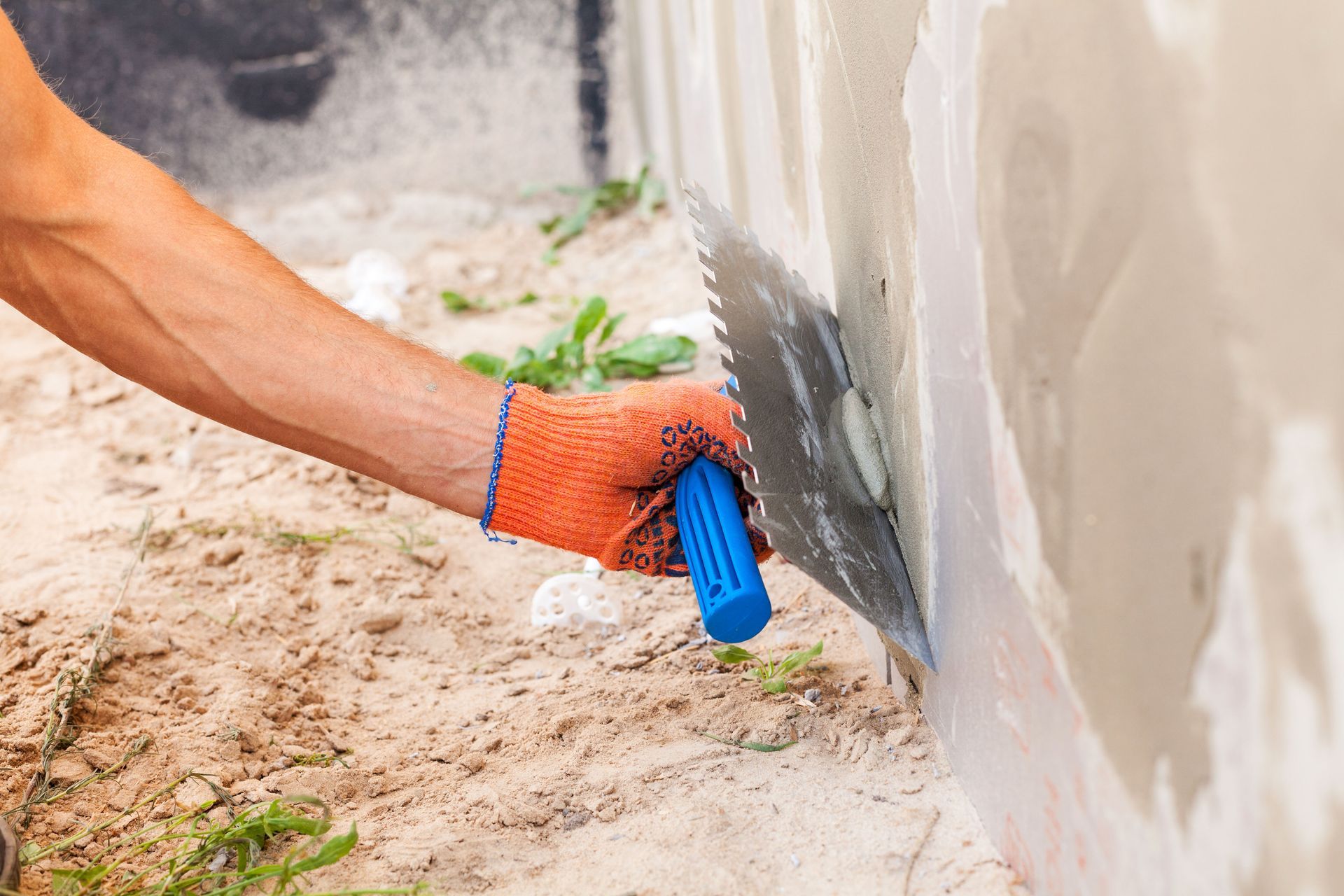
Traditional hard coat stucco uses a Portland cement-based mixture, commonly applied over wire lath. Its appeal includes a firm surface and the classic appearance associated with cement-based finishes. EIFS, or Exterior Insulation and Finish Systems, combines insulation board, a reinforced base coat, and a finish coat. Although both can provide a textured exterior, the materials beneath the visible surface differ substantially.
Choosing between these options involves the home's existing construction and the goals for the exterior. Traditional stucco emphasizes the familiar qualities of a cement-based finish, while EIFS includes insulation as part of its layered assembly. The insulation can contribute to thermal performance alongside the system's decorative role. Similar-looking finish coats can therefore conceal different priorities for the wall beneath them. Discussions with a stucco company can connect those distinctions with the property, helping homeowners consider the wall system as carefully as the surface they will see.
Durability Measured Over Decades
Longevity matters when an exterior finish becomes part of a home's appearance for an extended period. According to The Spruce, stucco typically lasts between 50 and 100 years, sometimes longer, with climate and environmental conditions influencing its service life. That potential makes the original installation and continued condition of the finish important. A surface intended to remain for decades needs sound support as well as an appealing appearance.
The work of a stucco company affects that relationship through material selection, preparation, and application. Exposure to weather and the condition of the surrounding wall assembly also contribute to how the finish performs over time. Appearance and service life describe different things: a finish may remain in place for decades while its surface shows signs of age. Professional repair can address developing cracks or deterioration, helping the exterior remain useful as its appearance changes.
Preparation Beneath the Finished Surface
An attractive finish relies on the surface and supporting components beneath it. The substrate must be appropriate for the selected application, while the moisture-control layer and reinforcement must suit the wall system. Traditional stucco and EIFS use different assemblies, so their preparation cannot be treated as interchangeable. Attention to those underlying conditions supports adhesion and gives the finished exterior a suitable foundation.
Assessing the existing wall before application helps connect the installation to the building's actual condition. The moisture barrier has a different role from the decorative coat, just as lath or reinforcing mesh serves a different purpose from color and texture. Their performance depends on how the components work together. Looking beyond the final coat makes durability a result of the complete installation, with the visible finish supported by the appropriate layers behind it.
Repair That Preserves the Exterior's Character
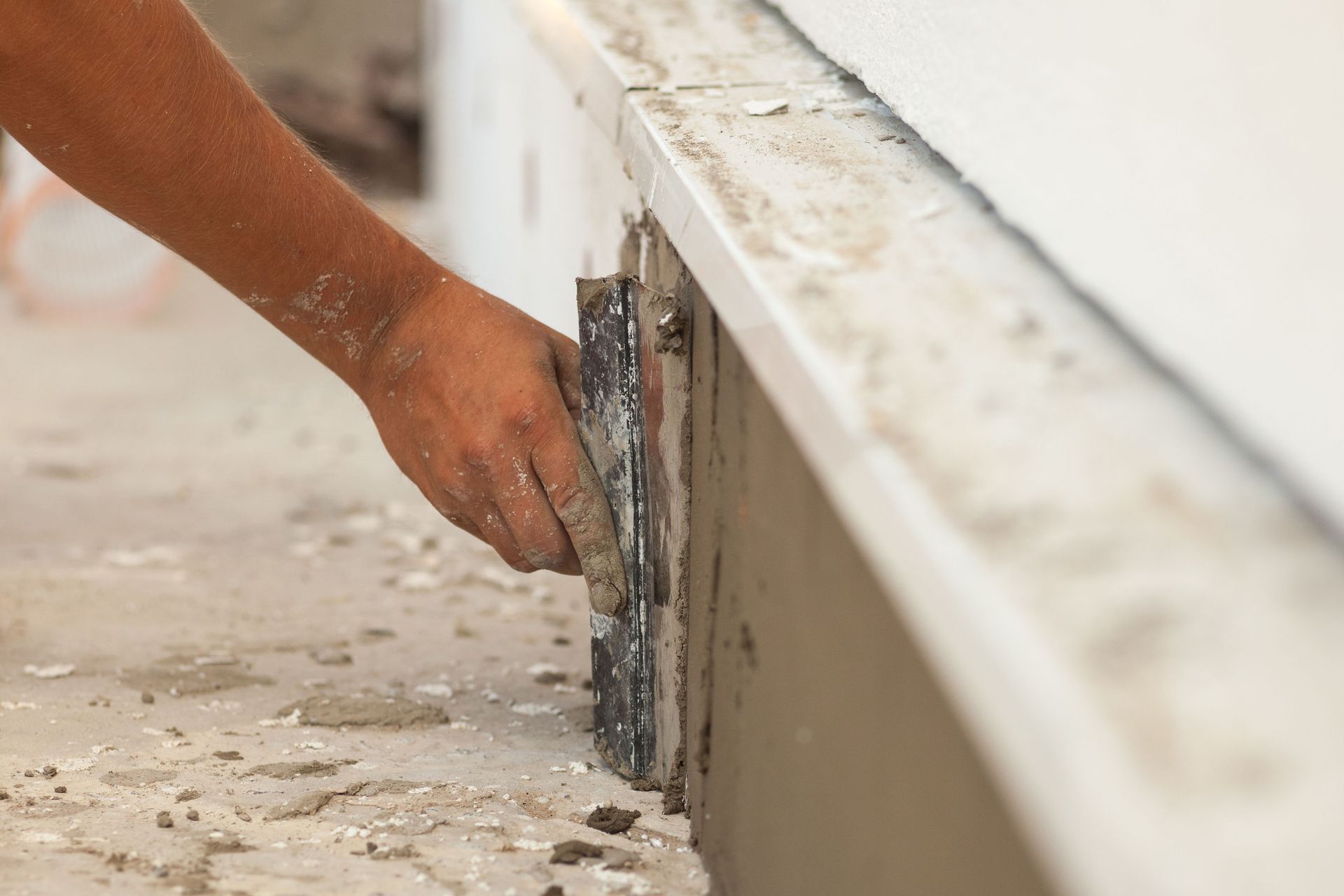
Stucco's lasting appeal includes the possibility of repairing areas that develop cracks or deterioration. A worn section can interrupt the appearance of a wall even when the surrounding finish remains attractive. Professional repair addresses the affected area while considering its relationship to the existing surface. Color and texture matter because a repaired section becomes part of the same exterior composition.
A stucco company handling repairs considers both the damaged material and the appearance of the surrounding wall. Age and weathering can affect the existing color and texture, which influences how closely a repair will blend. The repair should suit the type and condition of the stucco rather than assume that every damaged area requires the same approach. Attention to those details helps preserve the exterior's character while addressing the deterioration that prompted the work.
Choosing an Exterior With Lasting Character
An exterior finish becomes part of a home's identity through years of ordinary use, changing light, and seasonal weather. Choosing stucco thoughtfully means giving its appearance and its supporting installation equal attention. At Stone Age Masonry LLC, we install traditional and EIFS stucco and repair existing finishes to help maintain their appearance and performance. Contact our stucco company to discuss your home's exterior and request a free estimate.

Share On: